
Reliable Research Peptide Supply for Consistent Results
Best Selling Products

Peptides
$29.00

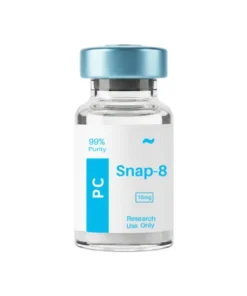
Peptides
$41.00
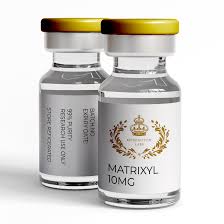
Peptides
$25.00
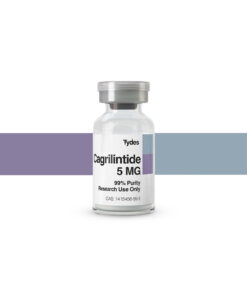
Peptides
$104.00
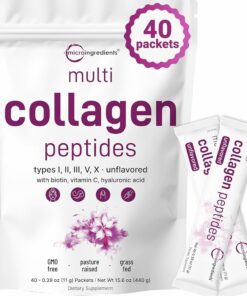
Peptides
$60.00


Peptides
$38.00
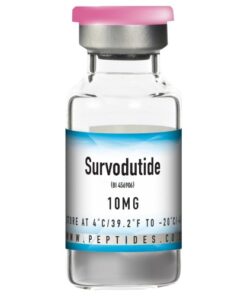
Peptides
$197.00
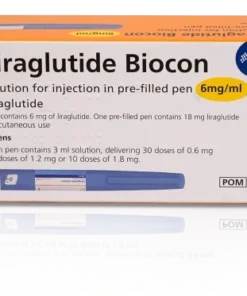
Peptides
$71.00
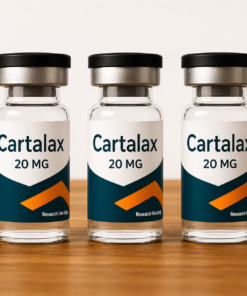
Peptides
$89.00
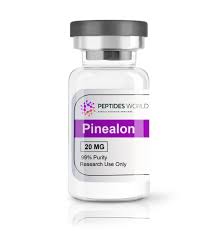
Peptides
$25.00

Peptides
$61.00

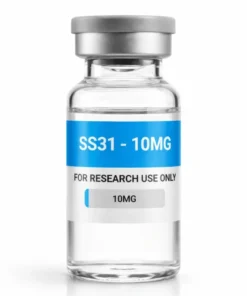
Peptides
$70.00
Peptides FAQ
What are peptides?
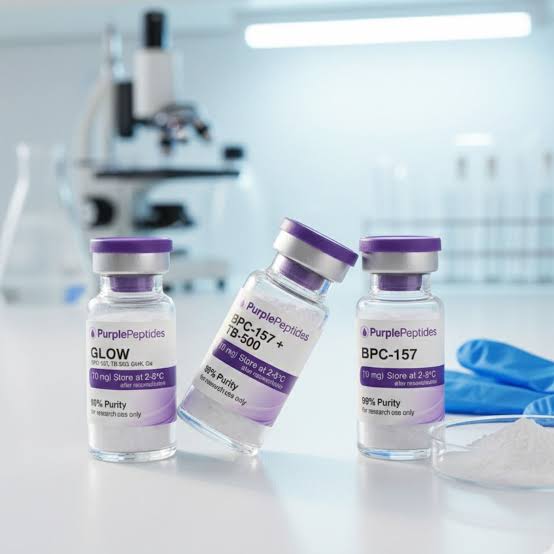
Peptides are short chains of amino acids (2-50) linked by peptide bonds. They are smaller than proteins and play essential roles in biological processes. Peptides are widely used in research to study cellular signaling, receptor interactions, and therapeutic mechanisms.
How are peptides synthesized?
Peptides are synthesized using solid-phase peptide synthesis (SPPS), where amino acids are sequentially added to a growing chain attached to a solid resin. After synthesis, peptides are purified using High-Performance Liquid Chromatography (HPLC).
What is peptide purity?
Purity indicates the percentage of target peptide in a sample. Higher purity (98%+) ensures more accurate and reproducible research results. Impurities can include truncated sequences or residual solvents.
What is a COA?
A Certificate of Analysis (COA) confirms peptide identity, purity, and quality. It includes HPLC purity results, mass spectrometry confirmation, batch numbers, and storage recommendations.
How should peptides be stored?
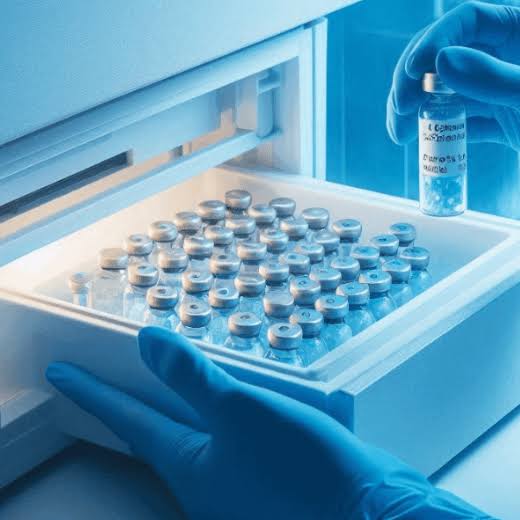
Lyophilized peptides should be stored at -20°C for long-term stability. After reconstitution, store at 4°C and use within 14 days. Avoid repeated freeze-thaw cycles.
What purity level do I need?
-
>70%: Exploratory assays
-
>90%: SAR studies
-
>95%: In vitro bioassays
-
>98%: Structural studies (crystallography, NMR)
Are peptides for human use?
No. Research peptides are strictly for laboratory use only. They are NOT for human consumption, animal use, or therapeutic applications.
How long do custom orders take?
Standard custom peptides (10-20 amino acids) typically take 3-4 weeks. Complex sequences may take 5-7 weeks.
How to identify a reputable supplier?
Look for third-party testing, comprehensive COAs, batch numbers, transparent manufacturing, and positive researcher reviews.

Free Shipping on all orders
Get Free Shipping on all orders over $150 and free returns to our US returns centre! Items are dispatched from the UK and will arrive in 5-8 days.
Amazing customer service
Get Free Shipping on all orders over $150 and free returns to our US returns centre! Items are dispatched from the UK and will arrive in 5-8 days.
No Customs or Duty Fees!
We pay these fees so you don’t have to! The total billed at checkout is the final amount you pay, inclusive of VAT, with no additional charges at the time of delivery!